curiosity, with intentevery great product has a little cat in it

Product & Design Leader — Athens

Everyone's building faster.
I'm building what matters.

Anyone can ship a screen now.
Shipping the right one, well, is the job.

I'm a product & design leader who works where strategy meets the product: shaping the right bets through discovery and research, leading the teams that build it, and staying hands-on enough to prototype the answer in code.

↓ scroll for the work

the approach, and the proof

Research that changes the plan, not just the backlog: 17 interviews mapped to the exact moments guests hesitated, then turned into what we built next.

5 themesfrom discovery to a journey-wide strategy, with the winning pricing design chosen in testing
See the long-stay research →

Deciding what not to build is half the job. Strategy means naming the business problem, picking the bets that solve it, and protecting what already works.

<10% → 66%monthly partner adoption after rethinking the portal around what partners actually need to run their business
See the Partner Portal →

Small, senior teams where every designer owns a product end to end. My job is clear direction and a high bar, then getting out of the way.

3.7 → 7.3the team's confidence with AI-assisted workflows, after a programme I designed and ran
See the AI-native team →

From a blank page to a platform partners open every month: information architecture, interaction model and the system behind it.

7.4dashboard views per active partner each month, the portal's most-used surface
See the Partner Portal →

Small, fast experiments are how a product moves from an experience that just works to one that amazes. Each test is cheap, each answer is real, and together they let the business take bigger steps with confidence.

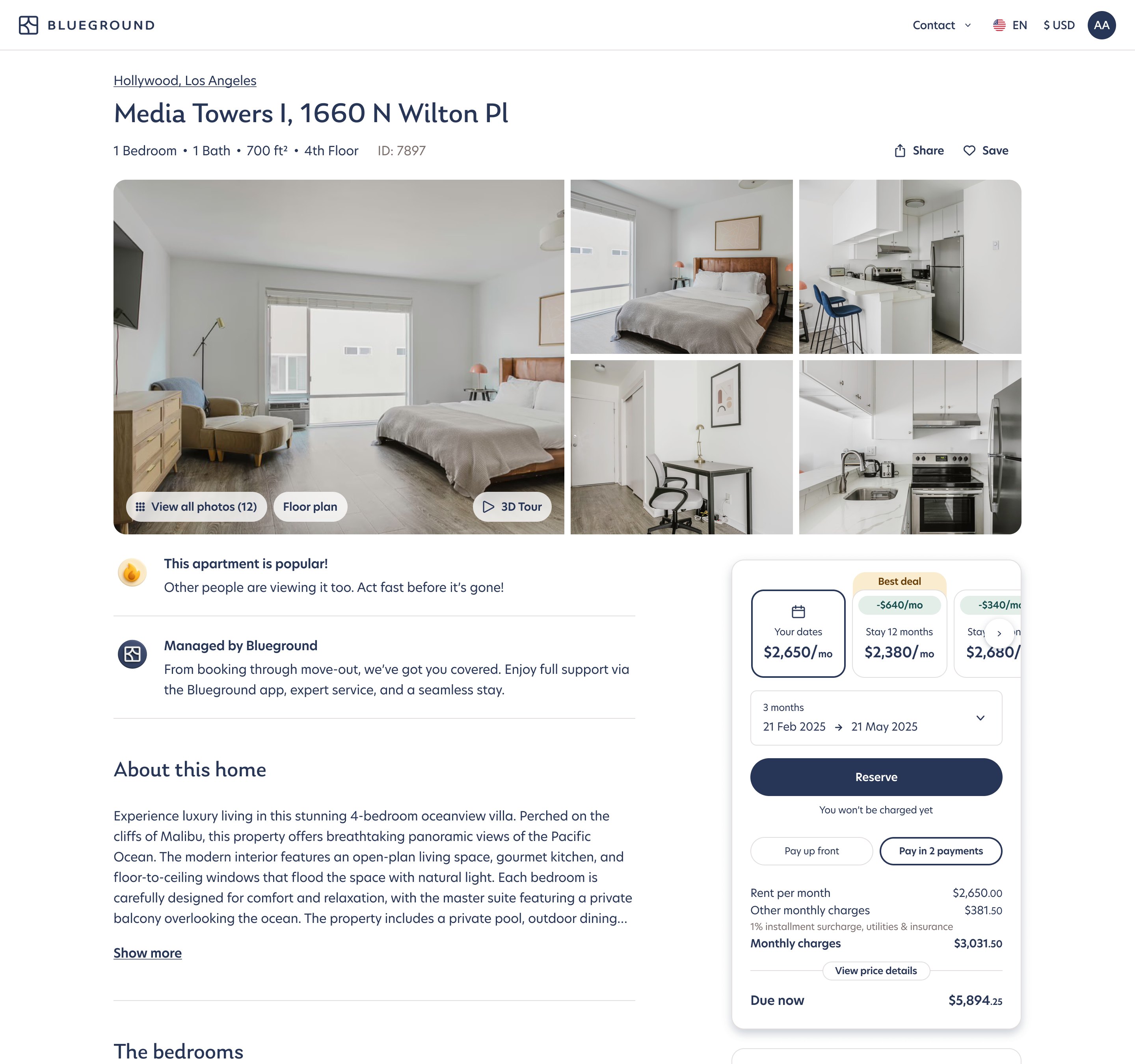
47 daysto prove a clearer pricing design: Reserve clicks fell 18% while bookings held, so it shipped to everyone
See the listing page →

Hands-on when it matters: prototyping in code and building the token systems that let AI agents implement designs without guesswork.

3 levelsof tokens: brand, semantic and component, so a rebrand never breaks a screen
See the token system →

Selected work

2022 — 2026 · blueground
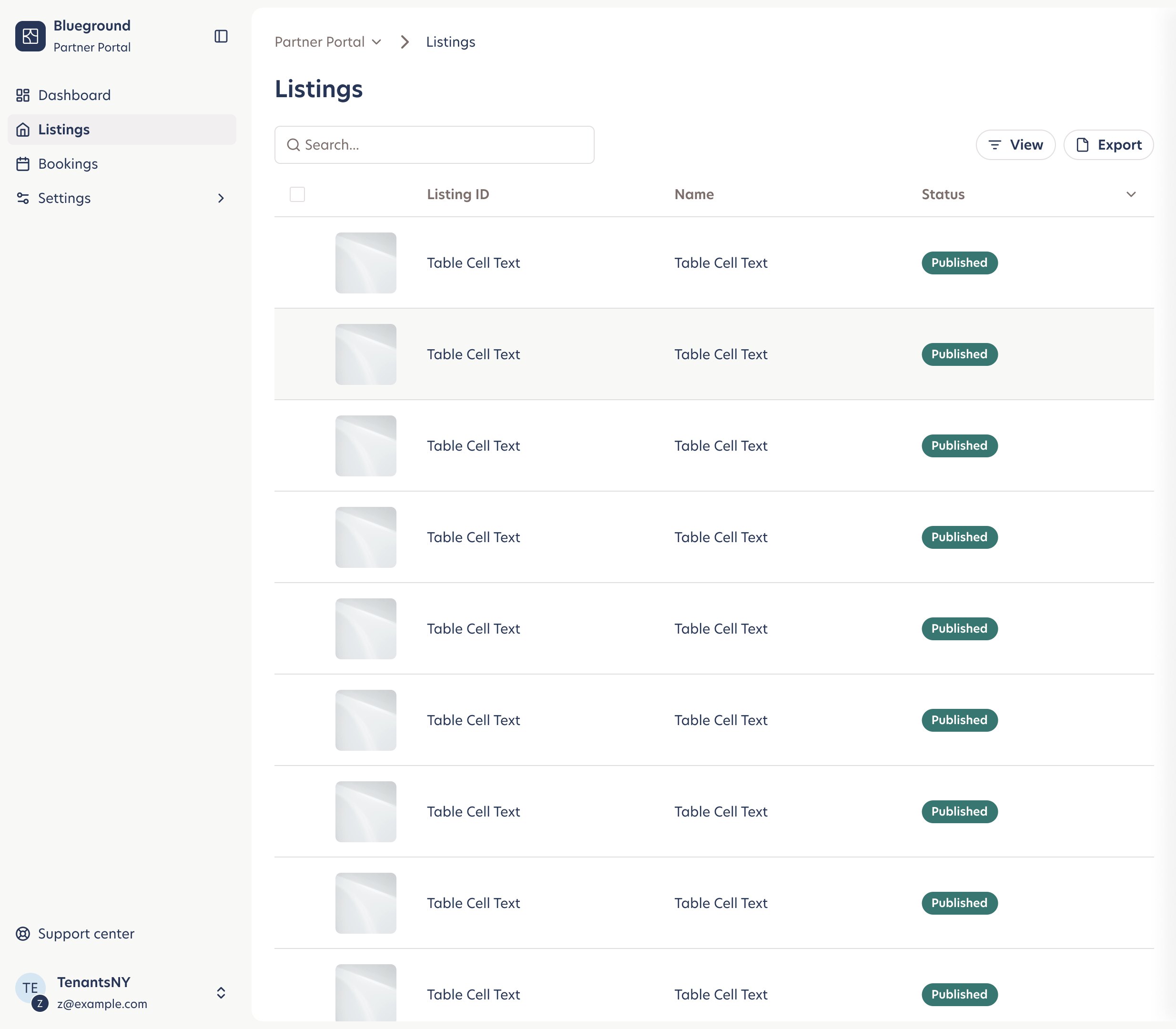
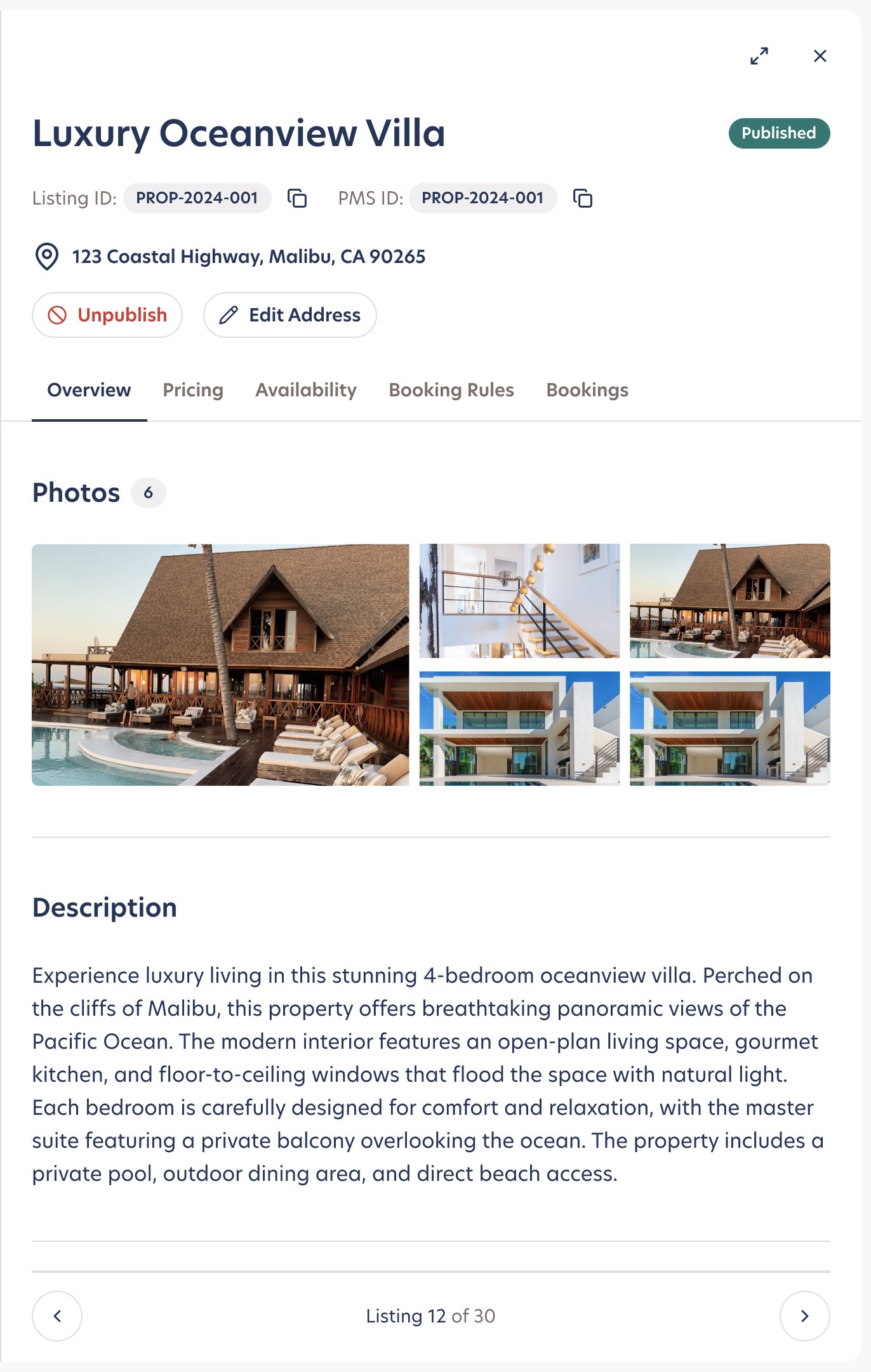
Listing detail side panel opening beside the listings table
01 · b2b platform, 0→1

A partner portal, designed from a blank page

IA, interaction model and visual language for the platform partners run their business on. Monthly adoption went from under 10% to 66%.
  • strategy
  • IA
  • shadcn
  • hands-on UI
Single payment? Surely you don't expect me to pay for a full year in advance…
Move-out date? I don't know.participant, 2025
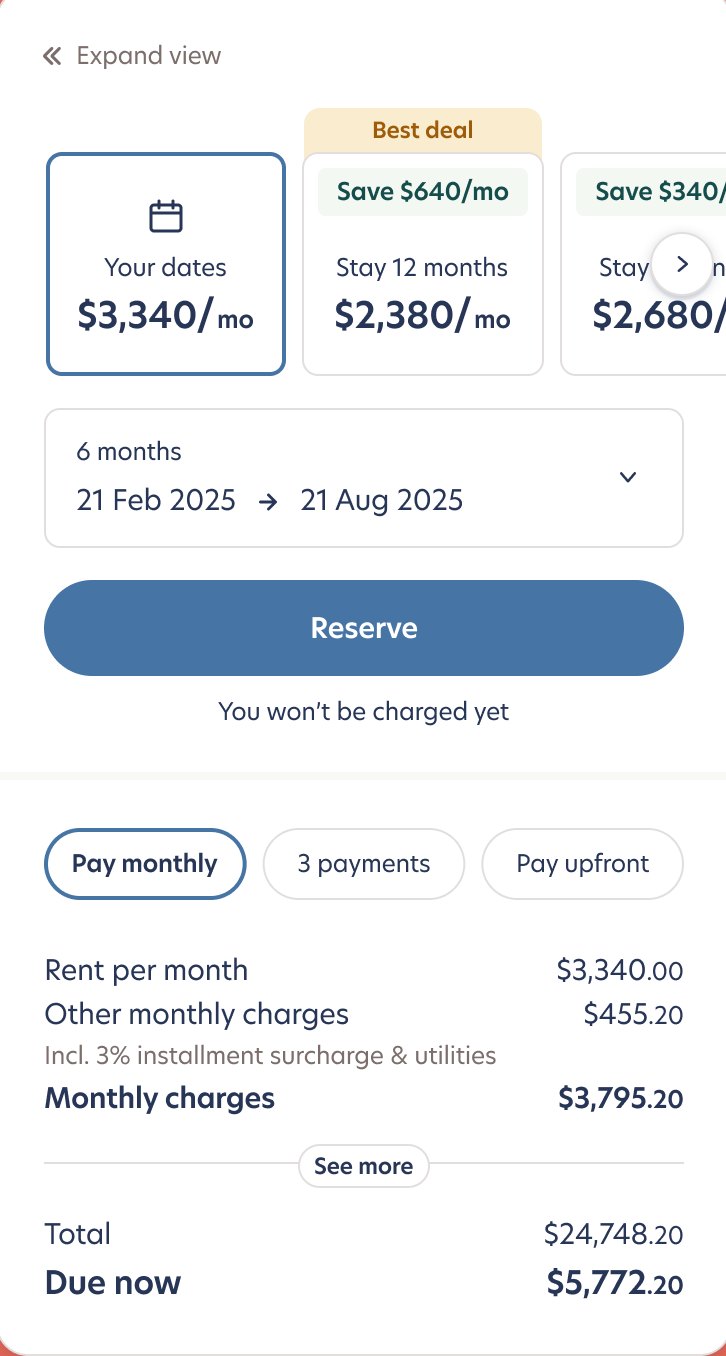
Pricing module with a monthly view
02 · research → strategy

Why long-stay guests didn't see themselves

17 interviews, five insight themes and one journey-wide strategy. The winning pricing design raised fewer questions and removed friction.
  • research
  • pricing UX
  • conversion
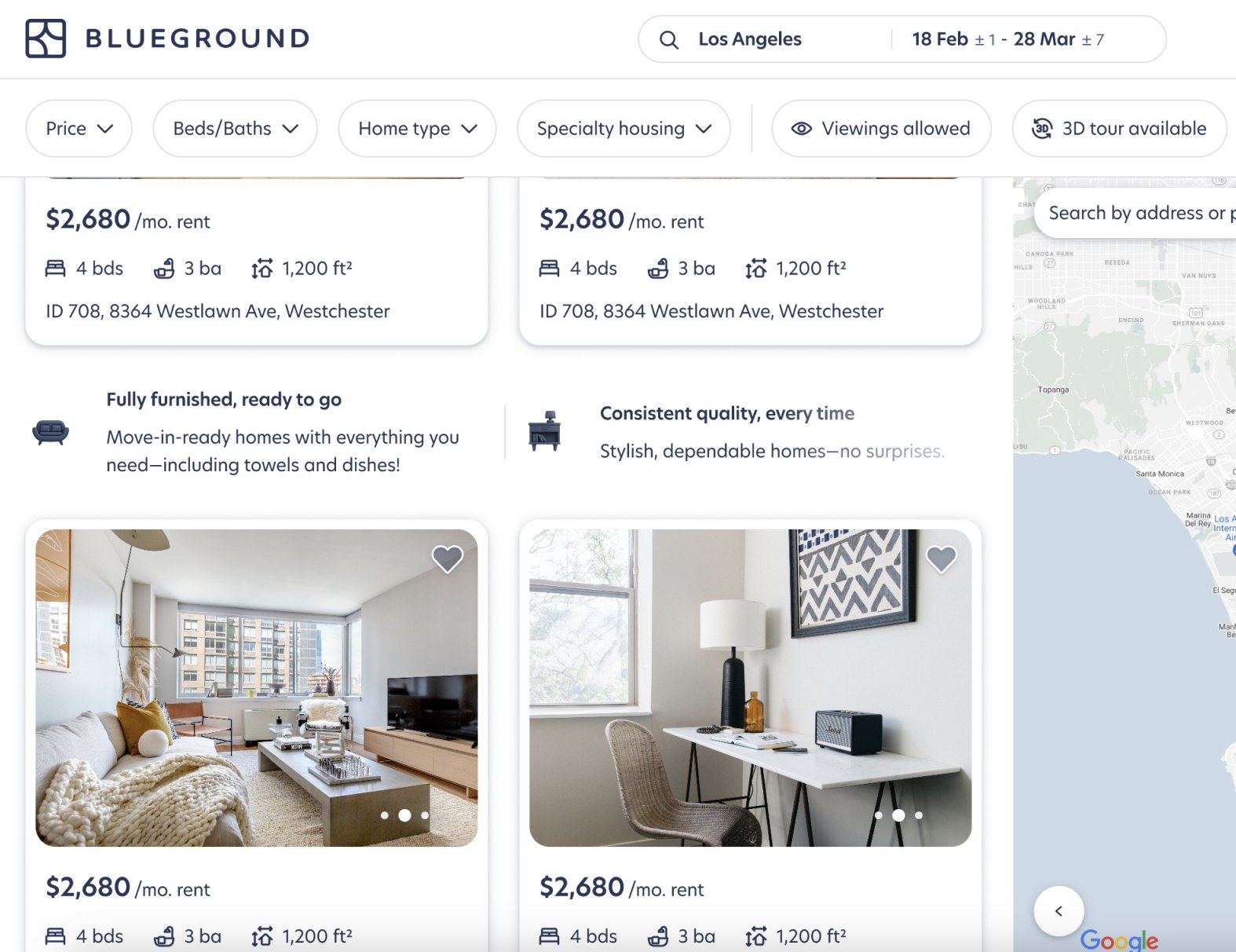
The listing page on desktop with the pricing module
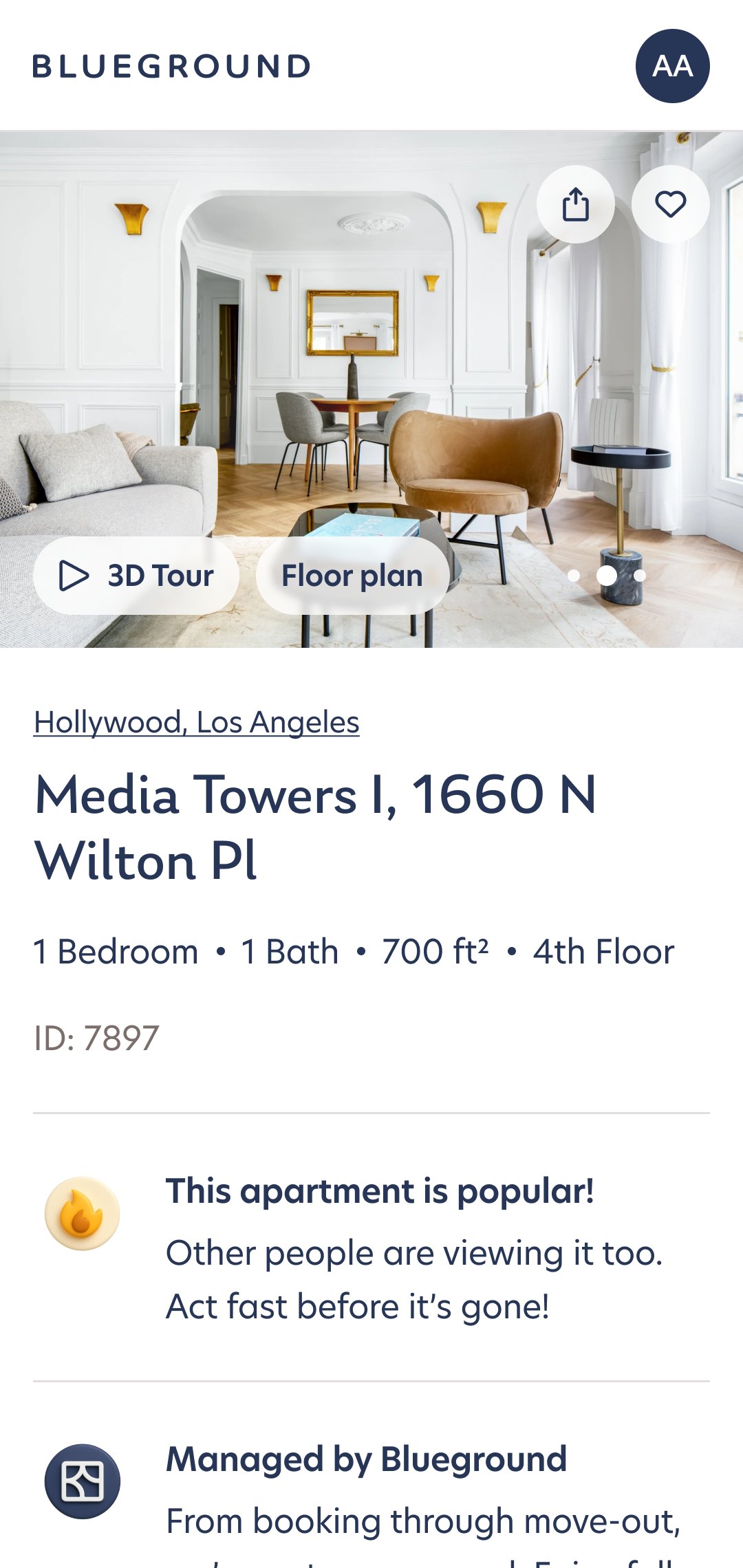
The listing page on mobile
03 · marketplace craft

The page where guests decide

An image-first listing page that answers the booking questions before checkout. In an A/B test, Reserve clicks fell 18% and bookings held.

  • visual
  • interaction
  • responsive
brand-color-blue-600
alias-color-primary-600
mapped-surface-primary-default
#273656
04 · leadership + systems

Building an AI-native design team

Three levels of tokens so AI agents turn designs into code without hard-coded values, and a team whose confidence with AI doubled.

  • team building
  • design systems
  • AI enablement

The bar is a team sport.

Most of my work happens before anything is designed: understanding the business problem, running the discovery that shows where people get stuck, and turning that into a strategy the whole team can act on.

I lead small, senior teams where every designer owns a product end to end. My job is to set the direction and a bar worth reaching for, then get out of the way.

And I still build. I prototype in code, design token systems that let AI agents implement designs without guesswork, and write the agents and workflows the team uses every day. When anyone can generate a screen, the edge is knowing which one is right.

I trained as an architect and then in computing, and I still see products as spaces people move through, built on systems underneath. When I'm not working, I'm exploring cities and landscapes. And I'm at my best when a problem is hard and nobody has the answer yet.

systems, not screensdesign × codeship, learn, refine